History
In 1984 the Tennessee Valley Authority had $14,000 available for outreach projects in the Southeast. Half the money was used to train first responders in white water river rescue. It is believed that this ongoing training has reduced fatalities on our rivers by fifty percent over the years. The other $7000 was directed to underwrite a “Plant Utilization” meeting that has become an annual event that has changed the American landscape.
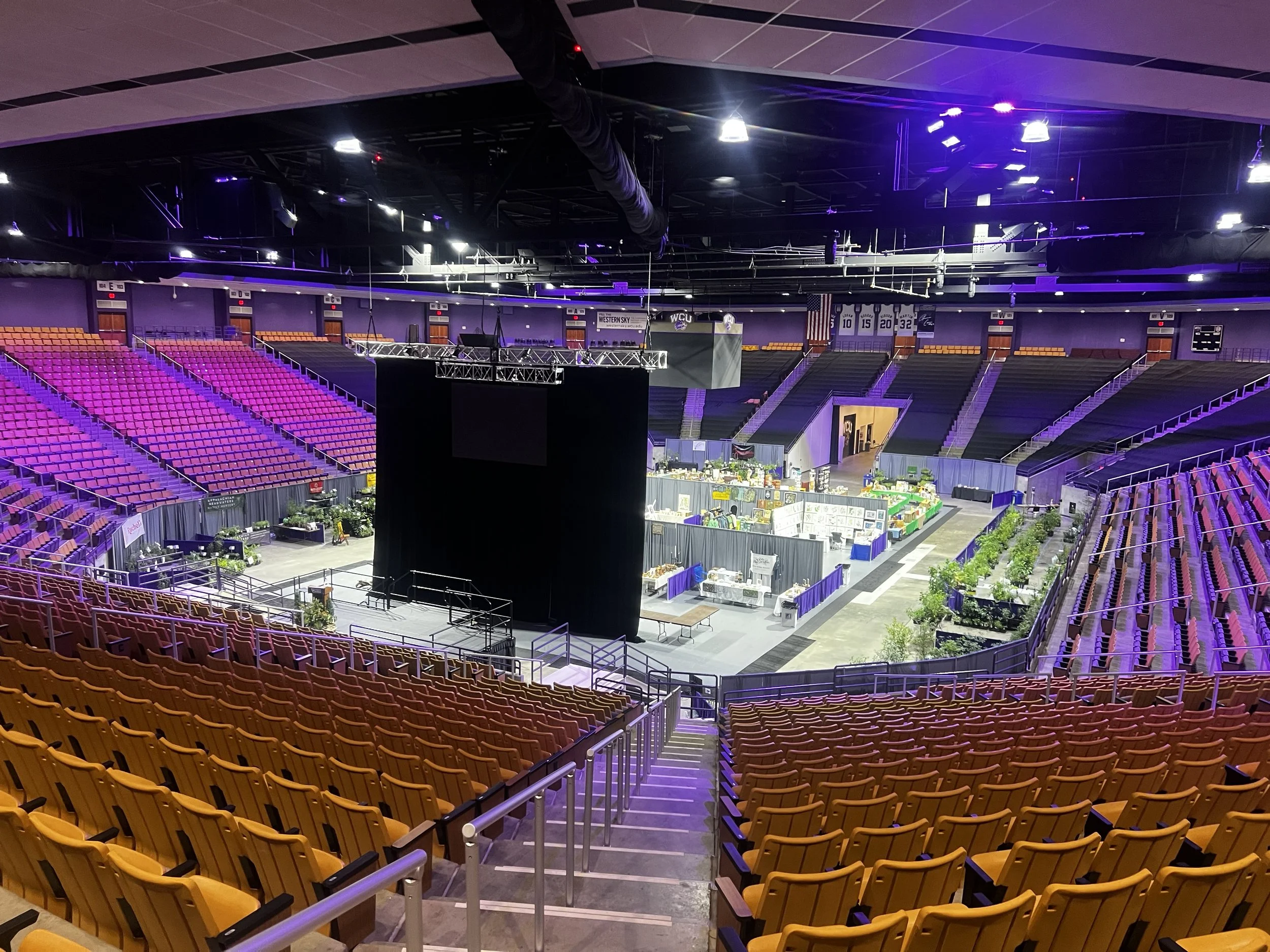
It was decided that the participants would gather at Western Carolina University in Cullowhee, N.C. to hold costs down by staying in dorms and eating in the cafeteria. There were 127 attendees of this first Landscaping with Native Plants Conference and the enthusiasm and information shared each year since has made history. It became known simply as The Cullowhee Conference.
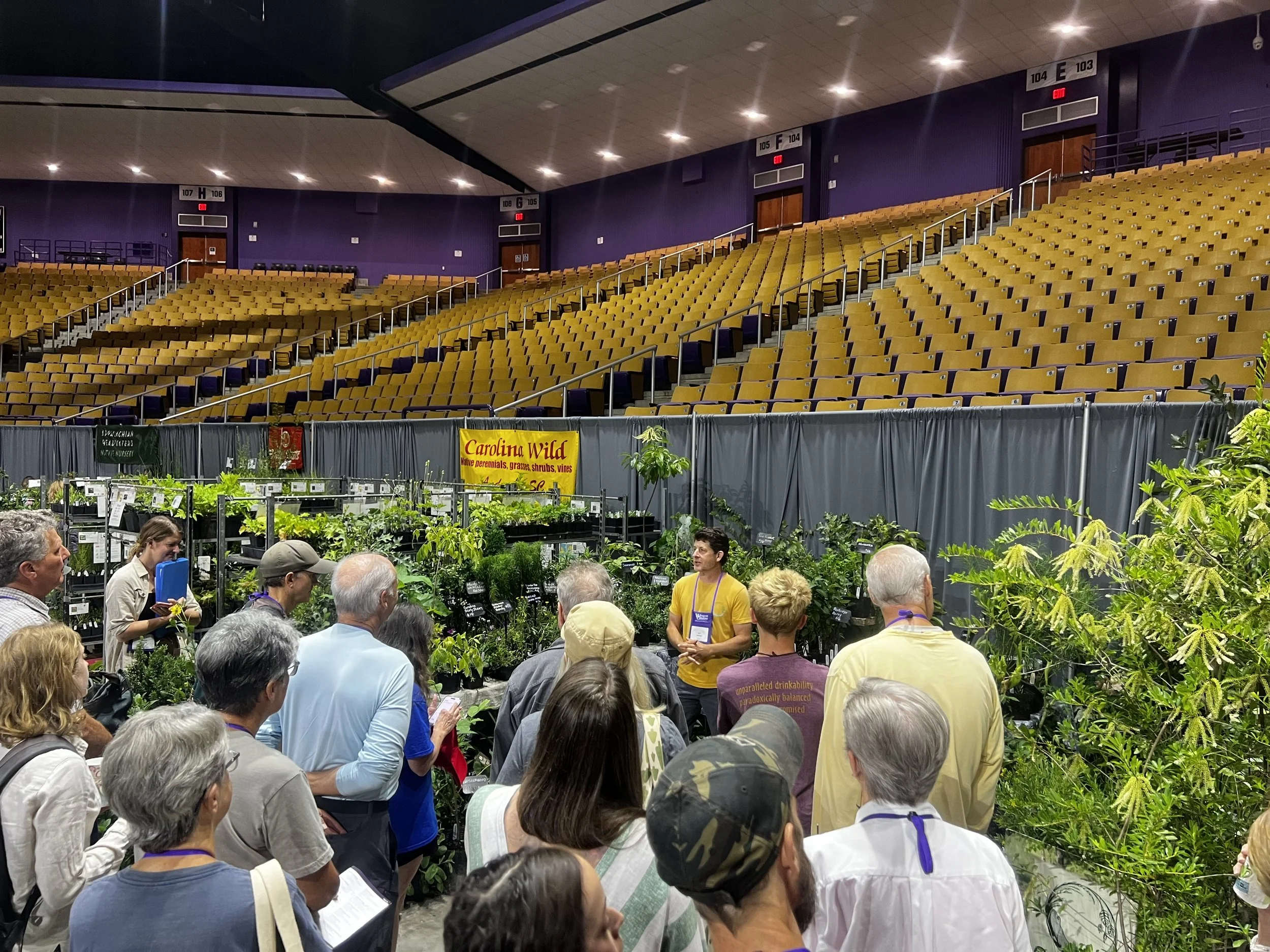
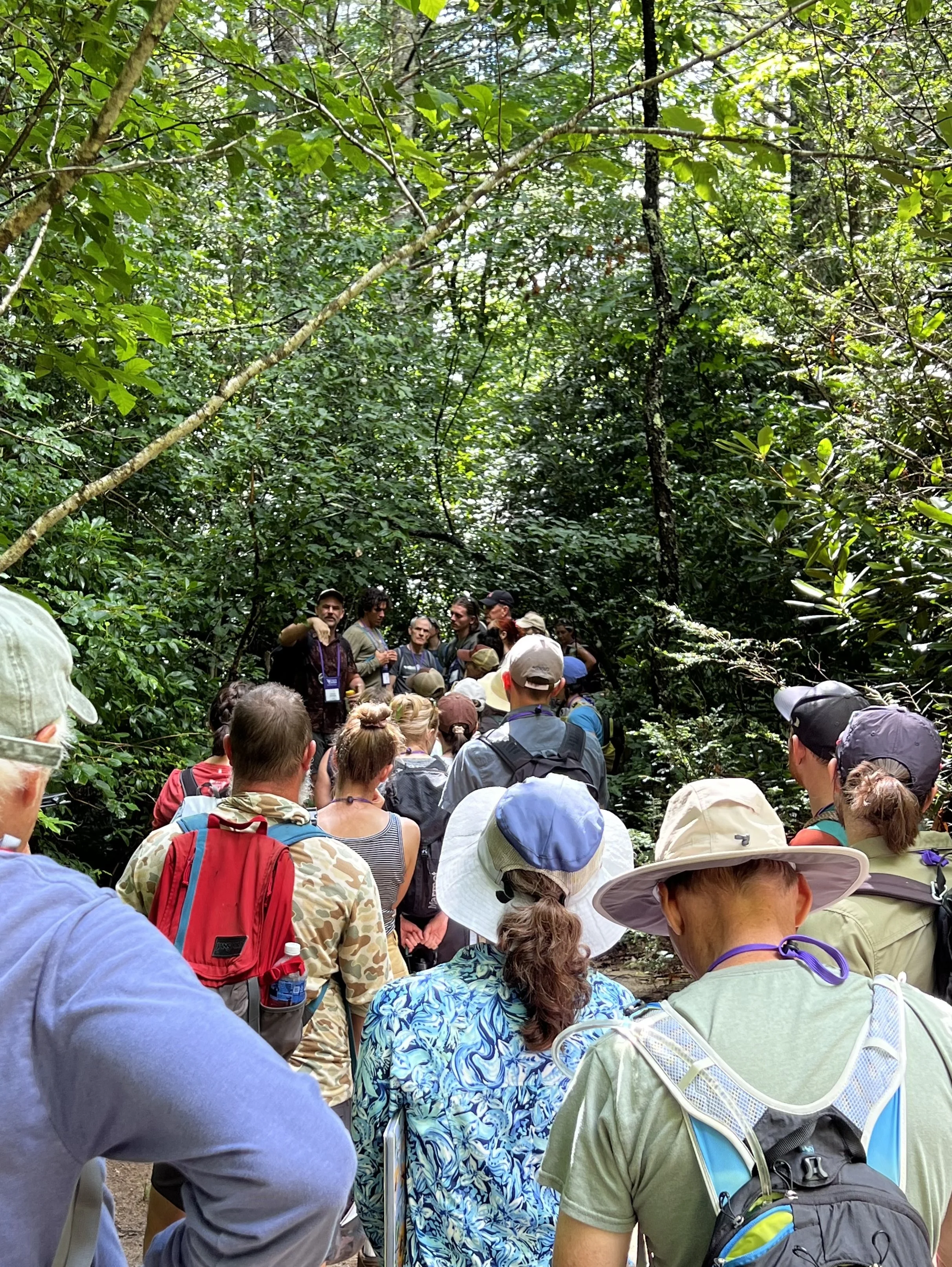
Bob Farmer, TVA biologist, had been growing native species with standard nursery techniques in the early eighties. At the time native plants were such a small portion of the commercial market that they attracted little attention. Bob was giving plants away to the Chamber of Commerce to get the public interested. Most of the information about native plants was circulating within the confines of the academic community. Leo Collins, Dan Pittillo and Jim Horton decided to create a forum for professors, growers, designers and consumers where everybody is a teacher. The enthusiasm of the pioneers of the native plant movement would unite individual voices in the wilderness into a chorus with significant economic and ecological impact. The combination of field trips, workshops, lectures and social networking opportunities have become a model for similar native plant gatherings around the country. With scholarships to enable students and a commitment to the outreach mission of the first meeting the Cullowhee Conference continues to inspire future generations of gardeners.
Tom Dodd, Jr. Award
This award is presented annually at the Cullowhee Conference on Native Plants in the Landscape. When initiated in 1987, it was called the “North American Native Plantsman Award.” The first recipient was Tom Dodd, Jr. In 1988, the award committee changed the designation to the “Tom Dodd, Jr. Award of Excellence.”The native plant movement in North America is characterized by many diverse and enthusiastic individuals and organizations, each pursuing their own native plants agenda. These diverse activities fall into the following categories:
Conservation of native flora in situ
Studying and promoting the understanding of our native flora
Building expertise in the propagation/cultivation of native plants
The use of native plants in a diversity of natural and designed landscapes
We have sought out those individuals and organizations that have excelled in one or more of these categories. The award recipients to date are:
1987 – Tom Dodd, Jr.
1988 – Lynn Lowery
1989 – Fred Galle
1990 – Lady Bird Johnson
1991 – Don Shadow
1992 – Joseph Leo Collins
1993 – National Park Service
1994 – Caroline Dorman (posthumously)
1995 – J. C. Raulston
1996 – Darrel Morrison
1997 – C. Ritchie Bell
1998 – The Nature Conservancy
1999 – Theodore G. Scott, Jr.
2000 – Aaron J. Sharp (posthumously)
2001 – Donald L. Walker, Jr.
2002 – Edward Ernst Cooper Clebsch
2003 – Dick Bir
2004 – J. Daniel Pittillo
2005 – Ken Moore
2006 -- Maxilla Evans
2007 – Margie Jenkins
2008 -- Angus Gholson
2009 – George Sanko
2010 - Emily H. Allen
2011 - 21 Founding Nurseries of the Native Plant Movement
2012 - F.M. Mooberry
2013 - Doug Tallamy
2014 - Gil Nelson
2015 - Sidney McDaniel
2016 - Larry Mellichamp
2017 - Jan Midgley
2018 - Mike Berkley and Terri Barnes
2019 - Elaine Nash
2020 - Wes Burlingame
2021 - George Ellison
2022 - Wild Ones
2023 - Richard Porcher
2024 - Dwayne Estes
2025 - Alan WeakleyNomination Information
There remains a wealth of potential recipients. The award committee encourages each conference attendee to consider an outstanding candidate and to nominate that person or organization. Your nomination should include, in detail, background information and the accomplishments of the candidate. Additional letters of recommendation from other people supporting the nomination of your candidate are indeed welcome.
The Awards Committee wishes to thank all who have participated in the recognition of, and awards bestowed upon our recipients.
George Morris, Awards Committee Chair